
Young readers are turning to poetry in massive numbers across the country. Stuffy old textbooks no longer define the art form for high school students. They want something that speaks to their daily experiences.
New writers use fresh digital formats to share their personal stories. This choice creates a powerful bond with the younger generation. It changes how people view creative writing.
Shifting Away From Classic Styles
Traditional poems often feel distant and confusing to modern teenagers. Heavy metaphors and ancient language block real understanding during study sessions. Audiences want direct communication – text that feels urgent right now. They walk away from text that feels dry.
Contemporary creators write about modern struggles instead of historical events. They drop the rigid rhyming patterns of the past century to mimic natural speech. This structural choice makes the art accessible to everyone. Readers connect instantly with this conversational approach.
Teens find comfort in words that mirror their own emotional lives. Standard verse gets a complete makeover to match contemporary tastes. The new style fits perfectly into a fast-paced routine. It matches the quick speed of modern life.
Finding Meaning In The Verse
Decoding older stanzas used to feel like an annoying chore for students. Now, young adults seek out stanzas for personal enjoyment outside school hours. They look for meaning that helps them navigate life. This shift changes how bookstores stock their shelves.
Finding the right guide helps readers unpack complex themes without frustration. Educational resources such as Poetry Explained are often used to provide context and interpretation for well-known stanzas. These types of references can make the reading experience more accessible and support a deeper understanding of literary works.
Clear explanations remove the intimidation factor from historical and modern literature. Anyone can appreciate a well-written stanza without holding an advanced college degree. This open access invites a brand new audience into bookstores. It removes the old barriers to entry.
Social Media Drives The Trend
Short online videos have changed how teens discover new books. Active communities share their favorite verses through creative visual clips and music tracks. Platforms turn a solitary reading habit into a shared social event. Users love discussing their favorite lines together.
A university study showed that online media spaces have successfully reinvested young adults in reading. Creators share aesthetic clips of their favorite poetry collections. These short snippets spark instant curiosity among scroll-heavy users who enjoy digital media.
Smart algorithms push poetry directly onto phone screens throughout the day. A single viral post can sell out book editions within a few hours. Digital technology acts as a massive bridge for physical literature. It connects authors with thousands of fans instantly.
Discussing Real Mental Health Challenges
Young people face high levels of stress from school and social expectations. They look for words that validate their secret anxieties and internal pressures. Modern authors do not shy away from these heavy topics. They tackle difficult themes with courage.
An opinion piece noted that contemporary literature frequently features mental health awareness and deeply personal stories. This focus creates a safe space for vulnerable discussions online and at home. Readers realize their feelings are completely normal during these formative years.
Seeing internal struggles printed on a page brings immense relief to struggling teens. Authors write about trauma, healing, and self-acceptance with total honesty. Raw vulnerability builds deep trust between the writer and the audience. This bond keeps readers coming back for more.
Building Personal Confidence Through Performance
Spoken word events give teenagers a public platform for expression. Standing on a stage allows them to share raw emotions with a live audience. Listeners respond strongly to the physical energy of performance. The live setting adds a layer of excitement.
A national arts program stated that speaking poetry aloud builds personal confidence and improves public speaking skills. Participants learn to control their voice and body language under pressure. They grow to appreciate literature on a deeper level.
Speaking these lines transforms quiet students into powerful leaders in their classrooms. The rhythmic flow helps individuals command a room with minimal effort. Performance poetry creates welcoming community spaces in local neighborhoods. It gives everyone a chance to speak up.
Accessible Formats For Busy Lives
Teenagers manage packed schedules filled with homework, sports, and jobs. Long novels require hours of uninterrupted focus that many teens simply lack. Short poems offer a quick literary escape during brief daily breaks. They provide a moment of calm during a hectic afternoon.
Modern publishers format books to match these fast daily routines. They focus on clean designs that appeal directly to visual learners. Key elements of these new book designs include:
- Minimalist cover art that looks great on social feeds
- Generous spacing between lines for quick scanning
- Small paperback sizes that fit inside a standard bag
Readers can finish a complete piece during a 5-minute bus ride. The bite-sized nature of the text keeps attention high without causing fatigue. Entertainment fits perfectly into small gaps of an otherwise chaotic day. It makes reading feel effortless.
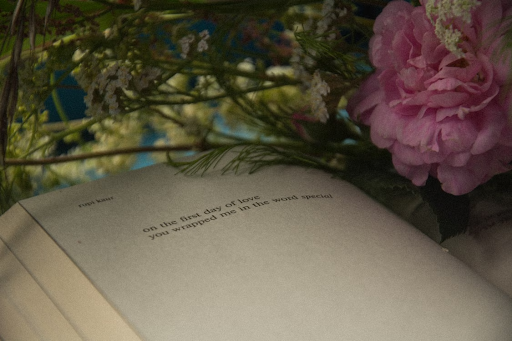
The relationship between young adults and poetry continues to grow stronger each season. New digital spaces and honest themes keep the art form relevant for a new generation of enthusiastic individuals.
Literature adapts constantly to meet the shifting needs of its readers. The future of verse looks incredibly bright in the hands of creative teenagers everywhere who love to write.